
Raising a Kind and Empathetic Child
- Oct 8, 2024
- 2 min read
Updated: Jan 10, 2025
Raising a kind and empathetic child is one of the most rewarding aspects of parenting. As a parent, you play a crucial role in shaping your child's ability to understand and care for others. By fostering kindness and empathy, you help your child develop into a compassionate individual who can build meaningful relationships and contribute positively to the world. Here’s how you can nurture these essential qualities in your child.




1. Model Kindness and Empathy
Children learn by observing. Show kindness and empathy in your daily interactions, whether in how you treat others or how you handle challenges. For example, show empathy when a friend or family member is going through a tough time and explain how you're supporting them. Your child will learn from these examples and be more likely to mirror this behavior.
2. Encourage Open Communication
Create an environment where your child feels comfortable expressing their feelings and thoughts through encouraging them to talk about their emotions and actively listen when they do. Ask open-ended questions like, “How do you think your friend felt when that happened?” or “What do you think you can do to help?” This helps your child develop the ability to recognize and understand emotions, both in themselves and in others.
3. Teach the Value of Helping Others
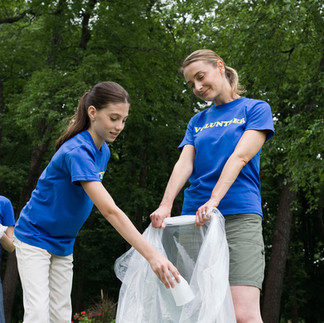
Involve your child in activities that support others, such as volunteering, helping neighbors, or participating in charity events. Explain the importance of giving back and how their actions can make a difference. These experiences teach children the value of kindness and the impact of their actions on others.
4. Praise Empathetic Behavior
Acknowledge and praise your child when they display empathy. For example, if they comfort a friend who is upset or share their toys with a sibling, recognize their efforts with positive reinforcement. Specific praise, like “I’m proud of how you helped your friend feel better today,” reinforces their behavior and encourages them to continue treating others with kindness.
5. Discuss Feelings and Perspectives
Help your child understand different perspectives by discussing various scenarios and asking how they would feel in those situations. Use stories, books, or movies as tools to explore emotions and empathy. For instance, after reading a story, ask questions like, “How do you think the character felt?” or “What could they have done to help someone else?”
6. Foster a Supportive Environment
Encourage family activities that promote cooperation and understanding, such as working on projects together or discussing daily experiences. Teach problem-solving skills that emphasize understanding and respect for others’ feelings.
7. Set Realistic Expectations
Understand that developing empathy is a gradual process. Be patient and provide gentle guidance as your child learns how to navigate complex emotions and interactions. Your ongoing support and understanding will help them grow into empathetic individuals.

8. Practice Self-Care and Emotional Health
Children learn from observing how their parents handle stress and emotions. Model taking care of yourself and how to manage emotions in a healthy way.
By modeling positive behavior, encouraging open communication, and fostering a supportive environment, you lay the foundation for your child to grow into a compassionate and understanding individual. Every small step you take to nurture these qualities will have a lasting impact on your child's character and their ability to positively influence the world around them.


